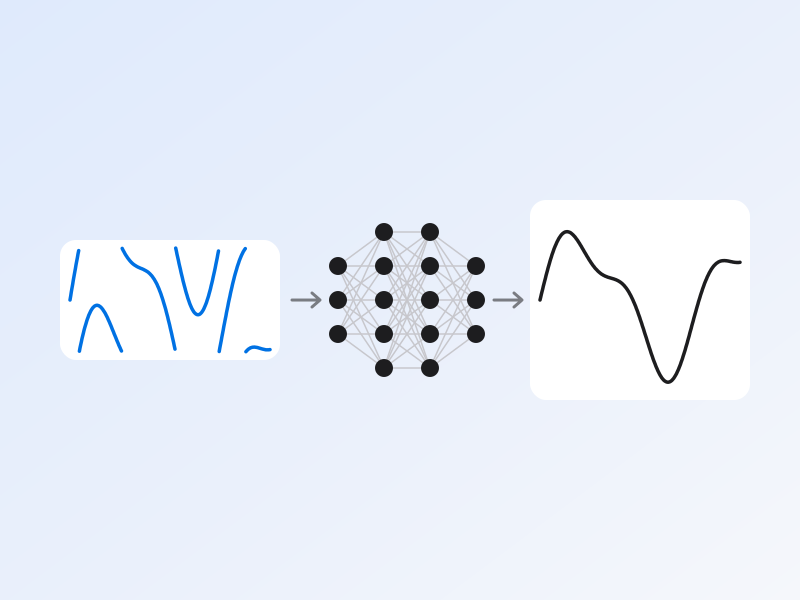
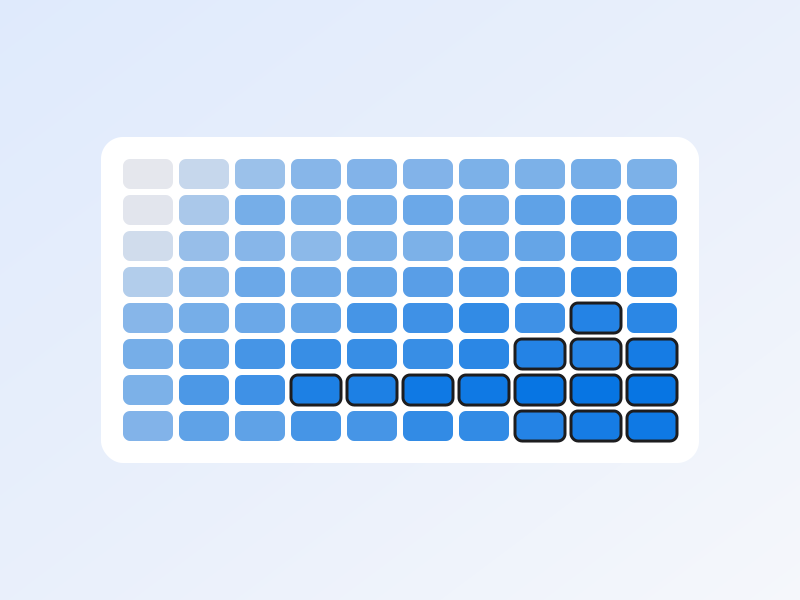
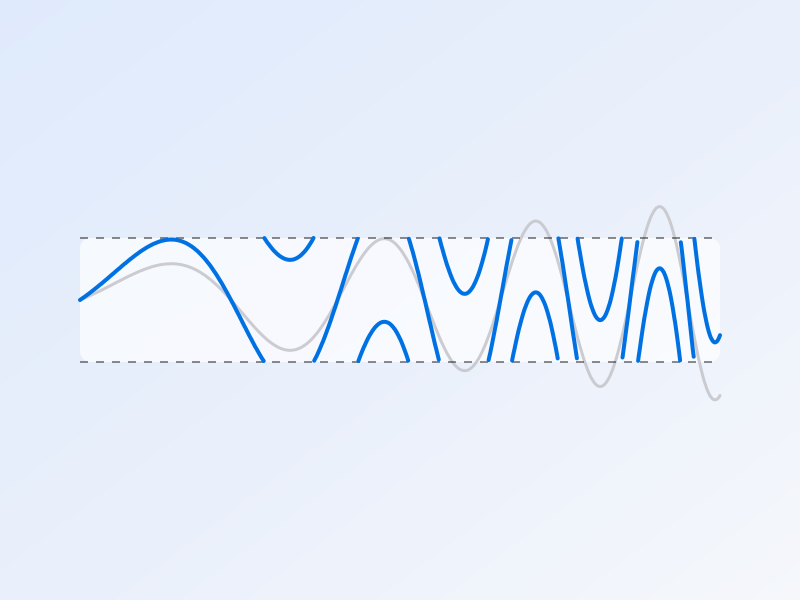
Modulo ADCs fold high-dynamic-range signals into a bounded range, and classical unfolding breaks down when the threshold, sampling density or signal model is mismatched. I build reconstruction methods that stay reliable — a multi-output network with a physics-based refinement (6× lower NMSE than the best classical method on a mixed benchmark), integer-aware OMP for compressive unlimited sampling, and a systematic robustness study for radar signals.
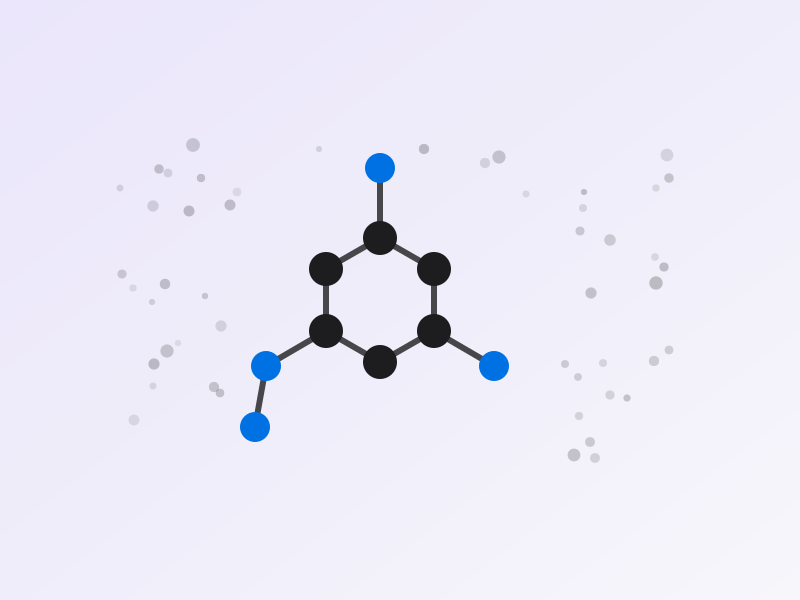
A hierarchical diffusion model that denoises scaffold atoms before substituents, with an EGNN that also predicts each atom's role and time-gated classifier guidance — 91.7% molecular stability on QM9 and markedly faster convergence than EDM.
Self-study of Stanford CS336: a byte-level BPE tokenizer and Transformer LM written from scratch, Chinchilla-style scaling-law fitting, a Common Crawl filtering and deduplication pipeline, and SFT/GRPO on Qwen2.5-Math-1.5B that raised MATH accuracy to 63%.
2018 – 2023
Wireless networks and federated learning
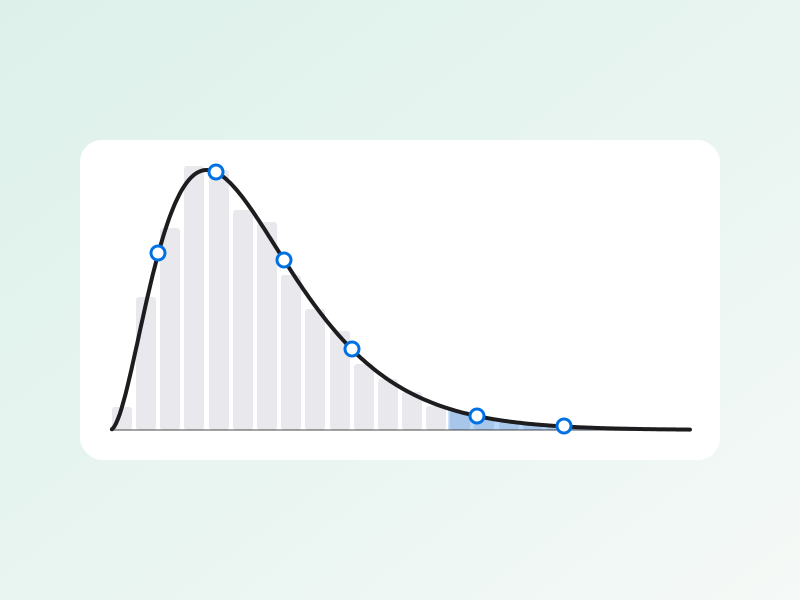
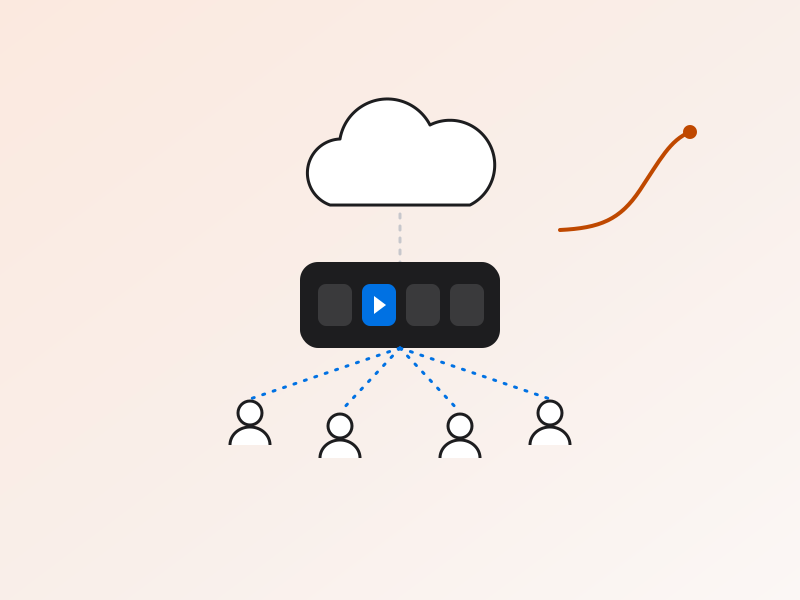
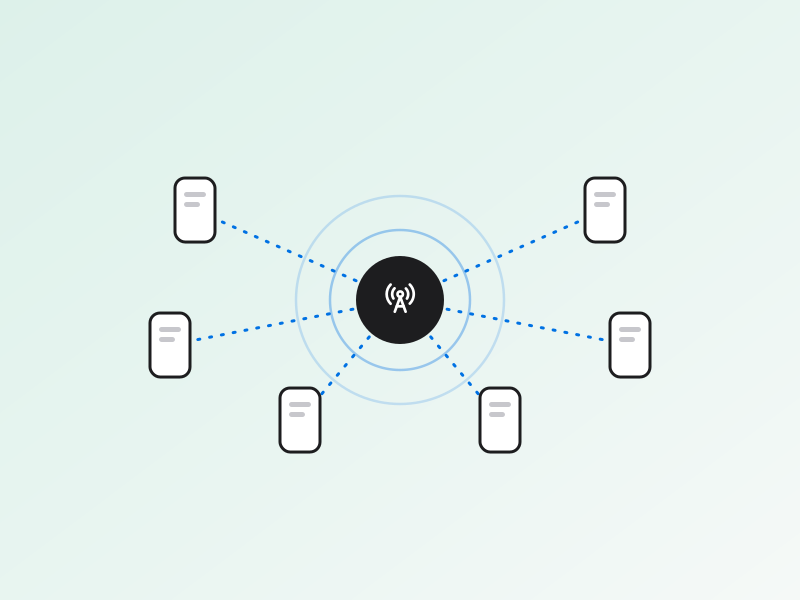
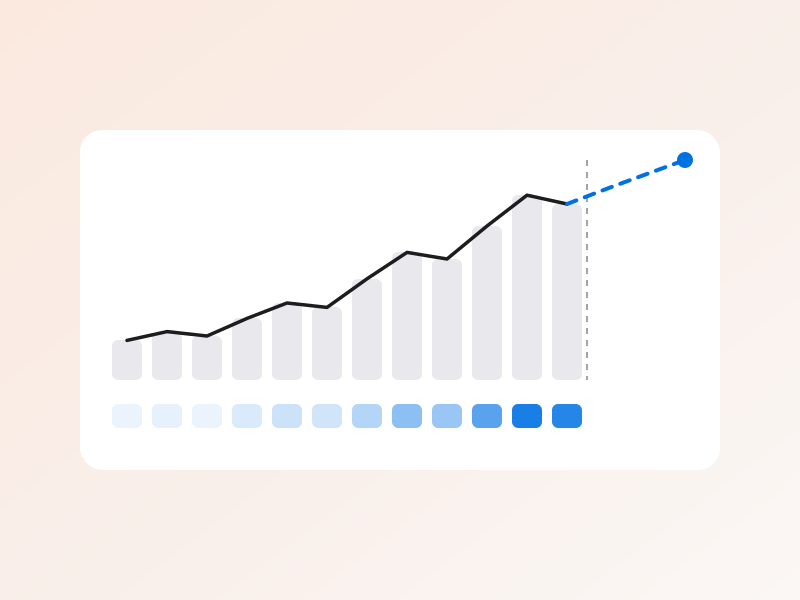
At Tsinghua, delay analysis of wireless federated learning with saddle-point approximation and large deviation theory, and popularity prediction for edge caching. At Huawei, wireless localization and base-station parameter calibration that replaced manual drive tests in a commercial platform.